I recently sat on a panel about art writing and art publishing, which got me thinking. People routinely whinge about the quality of art writing, and, of course, there’s good and bad. But, generally speaking, I like art writing. I like writing it, I like reading it, and I find it genuinely useful, illuminating, and entertaining. But I don’t like how uncritical it has become.
Art is also good and bad, but, these days, art writers seldom have a bad word to say about anything. If you read film criticism, music criticism, literary criticism—even sports criticism—writers are critical. They make judgements because they care. They turn people onto the good and away from the bad, they dissect performances, and they award stars. It’s accepted. It’s part and parcel. That’s why readers read them. But it’s not the case with art writing and that’s a shame. It’s down to two things, I think.
First, of course, there’s the double action: the fall of modernism and the rise of identity politics. With modernism, some art was important because it made earlier art obsolete. Modernism gave art a purpose and art critics a task—to adjudicate over what was new and advanced. Identity politics widened art’s ambit, but discouraged critics from making value judgements about work by others, whose shoes they hadn’t walked a mile in. So we parked the idea of criteria, fearing it was compromised, which indeed it was.
Second—and more important—is the art world’s court culture. Art writers don’t want to rock the boat, because they’re reliant on patronage and access. Film critics can happily trash Megalopolis because they were never going to be invited to dinner with Francis Ford Coppola, were never going to collaborate with him on a screenplay, were never going to need him for a reference. So they freely write for their reader. But art writers want to be invited to the dinners and after parties with artists and dealers. They need their endorsement to write for catalogues and magazines; they need access. So they write for their subjects rather than their readers. Despite the death of the author last century, most art writing is routinely vetted and approved by subjects and stakeholders.
It’s not that writers don’t exercise judgement, but they don’t do so in print explicitly. The critical conversations occur in the bar and the office, not on the page, and that’s a great shame for readers, for the discourse. If things were more open, negative or dissenting views wouldn’t seem like a cause for panic, just par for the course. We’ve become allergic to critique.
Decades ago Jerry Lewis spoke of film critics: ‘I’ve been blasted by the best and they’ve made some very good points. Pauline Kael, she’s never said a good thing about me yet, the dirty old broad. But she’s probably the most qualified critic in the world because she cares about film and those that are involved in it. I wish I could really rap her, but I can’t because she is very competent. She knows what she’s talking about. She’s going to say what she thinks.’
In art writing, if we want more fearless and forthright Pauline Kaels, we just have to get more Jerry Lewis about it.
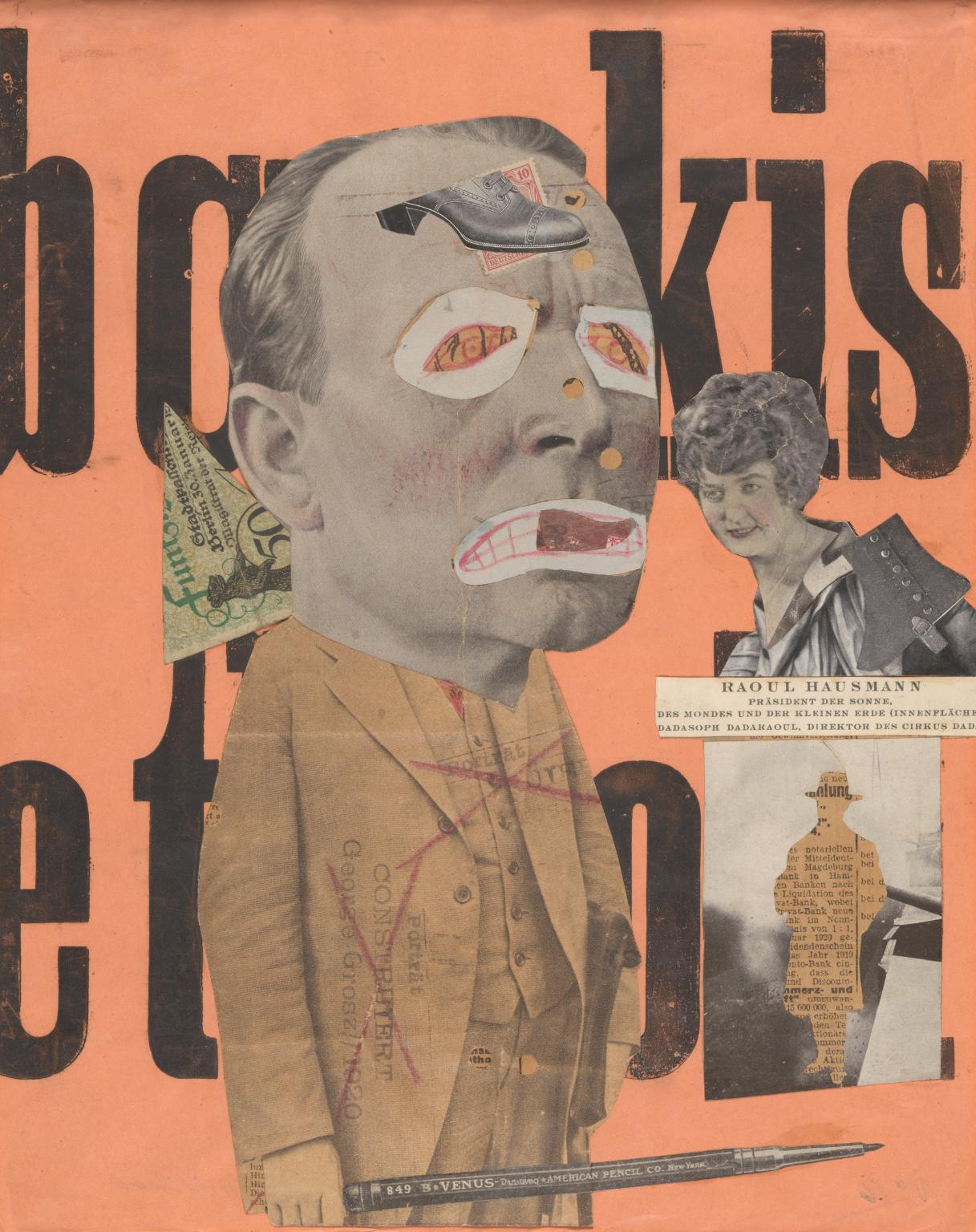
[IMAGE: Raoul Hausmann The Art Critic 1919–20]
•